Best Retinol or Retinal: Which Is Better for Your Skin in 2026?
Choosing the best retinol or retinal product can be confusing, especially when both ingredients promise smoother skin, fewer fine lines, and a more even complexion. Although their names are almost identical, retinol and retinal are different forms of vitamin A with distinct conversion pathways and formulation considerations.
Quick answer: Retinol is often a practical starting point for beginners because many lower-strength formulations are available. Retinal, also called retinaldehyde, may be worth considering if you already tolerate retinoids and want another option for improving visible skin aging. However, retinal is not automatically better, faster, or gentler in every finished product.
The best choice depends on your skin sensitivity, treatment goals, ingredient concentration, formulation quality, and ability to use the product consistently.
Retinol vs. Retinal: Key Differences at a Glance
Retinol and retinal belong to the retinoid family. Both can be converted in the skin into retinoic acid, which influences cellular processes involved in skin renewal and photoaging.
| Feature | Retinol | Retinal (Retinaldehyde) |
|---|---|---|
| Ingredient category | Vitamin A derivative | Vitamin A derivative |
| CAS number | 68-26-8 | 116-31-4 |
| Conversion to retinoic acid | Two metabolic steps | One metabolic step |
| Common skincare goals | Fine lines, texture, uneven tone | Fine lines, texture, uneven tone |
| Clinical evidence | Studied in cosmetic and dermatological research | Supported by clinical studies, including randomized trials |
| Irritation potential | Can cause dryness, redness, or peeling | Can also cause dryness, redness, or peeling |
| Product availability | Widely available | Growing range of available products |
| Best practical starting point | Low-strength, well-tolerated formulas | Carefully formulated, lower-strength products |
Important: Chemical conversion steps alone cannot establish how effective a finished skincare product will be. Concentration, delivery technology, stability, and individual skin response all matter.
What Makes Retinal Different From Retinol?
The key chemical difference is that retinol contains an alcohol functional group, while retinal contains an aldehyde functional group.
The simplified conversion pathway is:
Retinol → Retinal → Retinoic Acid
Retinol requires conversion into retinal before it can be converted into retinoic acid. Retinal is already one metabolic step closer to retinoic acid.
This difference helps explain why retinal is often described as a potentially more biologically active cosmetic retinoid. However, a shorter conversion pathway does not prove that every retinal serum outperforms every retinol serum.
Research published in the Journal of Cosmetic Dermatology has shown that topical retinaldehyde formulations can improve the appearance of photoaged skin. Nevertheless, clinical results vary according to formulation and study design.
Which Is Best: Retinol or Retinal?
There is no single winner for every skin type. Instead, the best retinol or retinal option should be selected according to the user's experience and primary skincare concerns.
1. Best for Beginners: Low-Strength Retinol
For someone who has never used a topical retinoid, a well-formulated, low-concentration retinol product is a reasonable starting option.
Retinol products are available in many strengths and textures, including creams, lotions, emulsions, and serums.
For beginners, useful product characteristics include:
A clearly identified retinol ingredient and disclosed concentration.
A fragrance-free or minimally irritating formulation.
Moisturizing ingredients such as glycerin, ceramides, or hyaluronic acid.
Protective packaging that reduces unnecessary exposure to light and air.
Simple instructions for gradual introduction.
A lower-strength retinal product can also be suitable for some beginners. There is no clinical rule requiring everyone to use retinol before trying retinal.
2. Best for Fine Lines and Wrinkles: Retinol or Retinal
Both retinol and retinal may help improve the appearance of fine lines and uneven skin texture associated with photoaging.
A randomized controlled study published in 2018 evaluated creams containing 0.05% and 0.1% retinaldehyde in 40 female participants over three months. Both concentrations improved assessed skin texture and hydration, with no statistically significant difference between the two groups for several measured outcomes.
This finding is important because it demonstrates that choosing a higher retinal concentration does not necessarily produce proportionally better results.
For mature skin, look for a tolerable formulation that combines an appropriate retinoid concentration with moisturizing ingredients. Consistent use and daily sun protection are more useful than selecting a product solely because it advertises a high percentage.
3. Best for Sensitive Skin: The Most Tolerable Formula
Sensitive skin requires special attention because retinoids can cause irritation, dryness, flaking, and temporary discomfort.
Although retinal is sometimes marketed as gentler than retinol, this should not be treated as a universal rule. A carefully formulated retinal cream may be well tolerated, while an aggressive retinol formula may cause significant irritation. The reverse can also occur.
Consider products containing:
Ceramides to support the skin barrier.
Glycerin to help maintain hydration.
Panthenol or other soothing formulation components.
A suitable emulsion or moisturizing cream base.
People with active eczema, rosacea, a damaged skin barrier, or persistent irritation should seek individualized dermatological advice before introducing a retinoid.
4. Best for Acne-Prone Skin: Choose According to Acne Severity
Retinoids are an important category in acne management, but cosmetic retinol and retinal should not be confused with prescription retinoid treatments.
Retinol and retinal products may be useful in skincare routines focused on rough texture and mild blemish-related concerns. However, evidence for established acne medications, such as adapalene and tretinoin, is stronger for treating acne.
If you experience persistent inflammatory acne, painful nodules, or scarring, consider consulting a dermatologist rather than relying only on a cosmetic retinal or retinol serum.
5. Best for Uneven Skin Tone: Consistency and Sun Protection
Both ingredients may help improve the appearance of certain pigmentation irregularities associated with photoaging.
In the 2018 retinaldehyde study, the 0.1% retinaldehyde group showed a statistically significant improvement in the measured melanin index, while both 0.05% and 0.1% groups demonstrated improvements in some skin texture and hydration outcomes.
These results do not establish that retinal is always superior to retinol for pigmentation.
Daily broad-spectrum sunscreen is essential when addressing uneven pigmentation because ongoing ultraviolet exposure can undermine improvements from skincare treatments.

Best Retinol and Retinal Concentrations: What Should You Choose?
Concentration is an important purchasing consideration, but it cannot be assessed independently of formulation quality.
Common Retinol Concentrations
Retinol skincare products are available at concentrations such as 0.1%, 0.3%, 0.5%, and 1%, although other concentrations are also used.
Lower concentrations may be more manageable when beginning a retinoid routine. Higher concentrations can increase the likelihood of irritation and should not be assumed to provide proportionally greater benefits.
Common Retinal Concentrations
Retinal products frequently include strengths such as 0.05% and 0.1%, both of which have been examined in clinical studies.
Some cosmetic brands offer additional strengths. However, a product's labeled concentration is not a complete measure of its effective delivery to the skin.
| Skin Profile | Practical Selection Approach |
|---|---|
| First-time retinoid user | Choose a lower-strength retinol or retinal formula and introduce it gradually. |
| Sensitive or dryness-prone skin | Prioritize a gentle formulation, moisturizer, and low application frequency. |
| Experienced retinol user | Consider a retinal formula if existing products are tolerated and further improvement is desired. |
| Photoaging concerns | Choose an evidence-supported formulation that can be used consistently. |
| Persistent acne | Seek advice on evidence-based acne treatments instead of choosing purely by cosmetic retinoid strength. |
Retinol and retinal percentages are not directly interchangeable. For example, 0.1% retinal cannot reliably be described as equivalent to a particular percentage of retinol across different products.
How to Identify the Best Retinol or Retinal Product
When comparing skincare products, evaluate the complete formula instead of looking only at advertising claims.
Check the Exact Active Ingredient
Read the ingredient list carefully. Retinol and retinal are different ingredients, and their names should not be used interchangeably.
Retinal may also appear under the name retinaldehyde. A product that prominently advertises a vitamin A complex may contain several different retinoid derivatives, so check the full ingredient declaration.
Look for Appropriate Packaging
Retinoid ingredients are sensitive to environmental conditions, including light and oxygen. Their stability depends on the specific molecule and formulation.
Opaque, airtight, or airless packaging can help limit environmental exposure. However, packaging alone does not guarantee stability.
Manufacturers should conduct appropriate stability testing to support product shelf life and performance.
Evaluate the Supporting Ingredients
Moisturizing ingredients can improve the user experience of retinoid skincare products. Ceramides, glycerin, and other skin-conditioning ingredients may help address dryness.
Encapsulation and other delivery technologies can influence how retinoids are incorporated into formulations, but performance claims should be supported by product-specific data.
Do Not Assume the Most Expensive Product Is Best
Price does not establish clinical superiority. Compare ingredient disclosure, relevant testing, tolerability, packaging, and suitability for your skin concerns before making a purchase.
How to Use Retinol or Retinal Safely
Correct application habits can help reduce irritation and improve long-term consistency.
Cleanse gently: Wash your face with a mild cleanser and gently dry the skin.
Start gradually: Consider beginning with two nonconsecutive nights per week, depending on the product instructions and skin tolerance.
Apply a small amount: Follow the manufacturer's directions. For many facial retinoid creams, a pea-sized amount is sufficient.
Moisturize: Use a compatible moisturizer to help manage dryness.
Increase frequency cautiously: Only increase use when your skin tolerates the product comfortably.
Protect your skin during the day: Use broad-spectrum sunscreen, preferably SPF 30 or higher, alongside other sun-protective practices.
Avoid applying retinoids to irritated, broken, or sunburned skin. Using multiple irritating active ingredients in the same routine may increase discomfort.
Pregnancy warning: Retinoids should be avoided during pregnancy. If you are pregnant, planning pregnancy, or breastfeeding, consult a qualified healthcare professional about appropriate skincare options.
How Long Does Retinol or Retinal Take to Work?
The time required to observe visible improvements depends on the formulation, skin condition, frequency of application, and outcome being measured.
Clinical retinaldehyde studies have assessed improvements over periods such as eight weeks, twelve weeks, and longer. These studies provide useful evidence that changes can occur with continued use, but they do not establish a guaranteed result for every individual product.
Some users may notice changes in skin texture before more substantial changes in fine lines or pigmentation become apparent.
Evaluate your skincare routine over a reasonable period and avoid increasing concentration aggressively simply because immediate improvements are not visible.
Is Retinal Stronger Than Retinol?
Retinal is one metabolic conversion step closer to retinoic acid and has demonstrated biological activity in human skin research.
In this biochemical sense, retinal may have advantages over retinol. However, describing retinal as universally stronger or a fixed number of times more effective is an oversimplification.
Head-to-head clinical research has evaluated retinaldehyde and retinol formulations, but comparisons of complete products are influenced by factors beyond the active ingredients themselves.
Consequently, ingredient conversion pathways should inform product selection rather than determine it entirely.
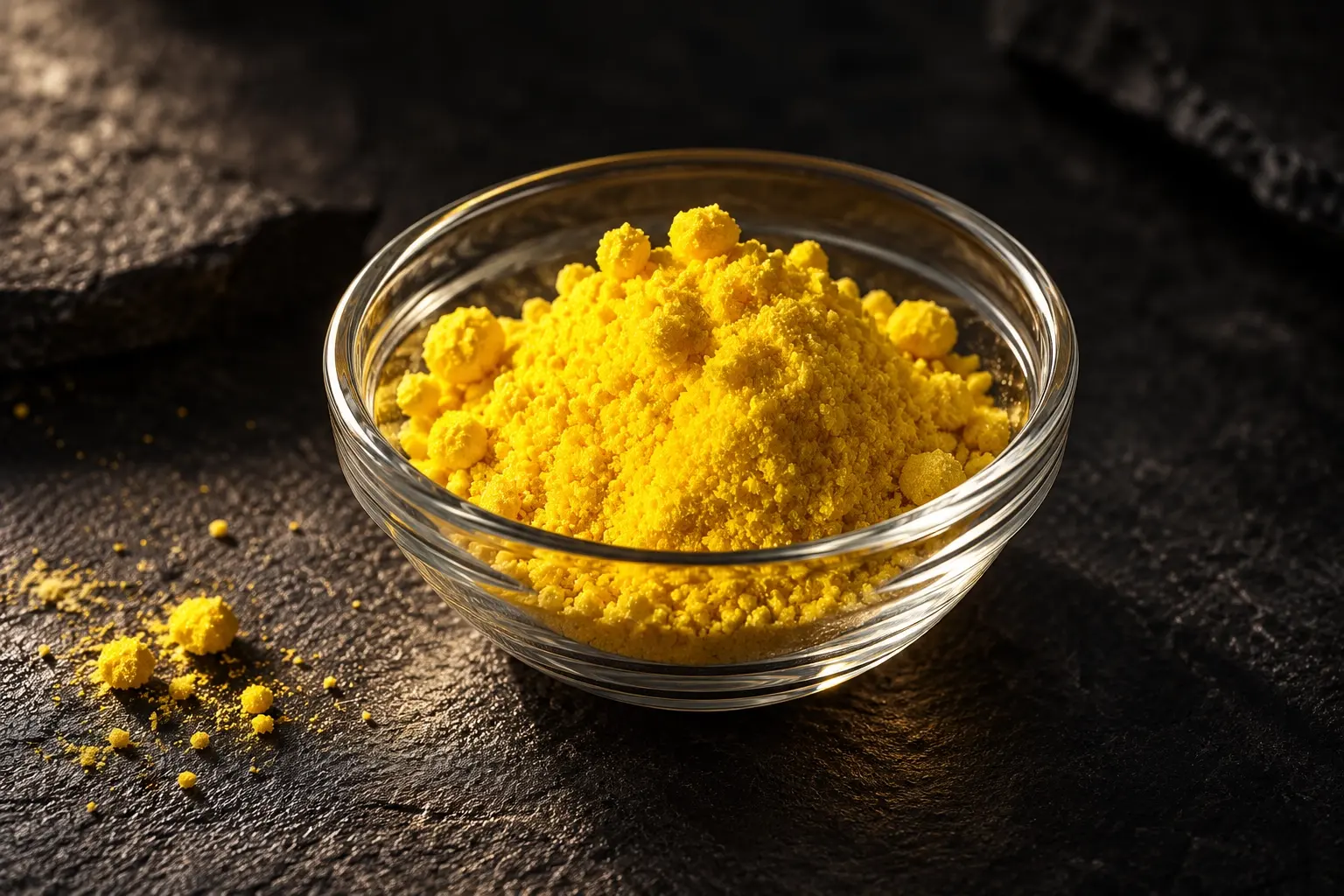
Retinol vs. Retinal: Which Is Better for Skincare Manufacturers?
For skincare brands and cosmetic formulators, selecting between retinol and retinal requires more than evaluating consumer preferences.
The choice also involves ingredient stability, formulation compatibility, manufacturing processes, quality specifications, and compliance with applicable cosmetic regulations.
Retinol for Cosmetic Formulation
Retinol is a widely recognized cosmetic ingredient with an established market presence.
It can be incorporated into appropriately developed creams, serums, emulsions, and other skincare products. Formulators must account for oxidation, ingredient compatibility, concentration, and stability.
Retinal for Cosmetic Formulation
Retinal is another vitamin A derivative used in skincare products, including formulations positioned for visible photoaging concerns.
Formulators should evaluate its compatibility with the formulation system, processing conditions, packaging materials, and stability requirements.
Raw Material Quality Matters
When sourcing retinol or retinal for cosmetic development, manufacturers should request relevant technical documentation and independently assess the supplier's specifications.
Important considerations include:
Ingredient identity and CAS number.
Purity and analytical testing methods.
Batch-specific Certificate of Analysis (COA).
Safety Data Sheet (SDS) and Technical Data Sheet (TDS).
Appropriate storage and handling requirements.
Stability and compatibility in the intended formulation.
Regulatory compliance in the target market.
Raw material purity should never be confused with the recommended concentration of an ingredient in a finished cosmetic product.
Frequently Asked Questions About the Best Retinol and Retinal
What is better, retinol or retinal?
Neither ingredient is universally better. Retinol offers a wide range of established cosmetic formulations, while retinal is one conversion step closer to retinoic acid. The best choice depends on tolerability, product quality, and skincare goals.
Is retinal better than retinol for wrinkles?
Clinical studies support the use of retinaldehyde formulations for improving signs of photoaging. Retinol formulations also have supporting evidence. There is insufficient evidence to conclude that every retinal product is more effective for wrinkles than every retinol product.
Can beginners use retinal instead of retinol?
Yes. A beginner may use an appropriately formulated, lower-strength retinal product, provided it is introduced cautiously and tolerated well. Starting with retinol is an option, not an essential prerequisite.
Is 0.1% retinal better than 1% retinol?
There is no reliable universal conversion between these concentrations. Their comparative performance depends on the finished formulations, skin delivery, and individual response.
Can you use retinol and retinal together?
Using both in the same routine is generally unnecessary because they belong to the same retinoid family. Combining them may increase irritation without an established additional benefit. Consult a dermatologist if considering a routine involving multiple retinoids.
Is retinal more irritating than retinol?
Not necessarily. Both can cause dryness, redness, and peeling. Irritation depends on the full formulation, concentration, application frequency, and individual sensitivity.
Which is best for sensitive skin?
A lower-strength, well-tolerated product is usually preferable to an aggressive formulation. Neither ingredient is guaranteed to be suitable for highly sensitive or compromised skin.
Is retinal the same as retinaldehyde?
Yes. Retinal and retinaldehyde are two names used for the same compound. Retinal has CAS number 116-31-4, while retinol has CAS number 68-26-8.
Should I use retinol or retinal every night?
Not necessarily. Start according to product instructions and skin tolerance. Some users can gradually increase frequency, while others benefit from less frequent use.
Are retinol and retinal suitable during pregnancy?
No. Dermatological guidance recommends avoiding retinoids during pregnancy. Consult your healthcare professional about pregnancy-compatible alternatives.
Final Verdict: What Is the Best Retinol or Retinal?
The best retinol or retinal product is not necessarily the strongest, most expensive, or fastest-acting option.
Choose retinol if you want a broad selection of skincare formulas and a practical opportunity to begin with a lower-strength product.
Consider retinal if you want an alternative vitamin A derivative with a shorter conversion pathway to retinoic acid and clinical evidence supporting improvement in visible photoaging.
For either ingredient, prioritize a stable formulation, appropriate concentration, skin tolerance, gradual introduction, and daily sun protection.
Ultimately, a retinoid product that you can use safely and consistently is more valuable than a higher-strength formula that repeatedly causes irritation.
Scientific References and Further Reading
Kwon HS, et al. Efficacy and safety of retinaldehyde 0.1% and 0.05% creams used to treat photoaged skin: A randomized double-blind controlled trial. Journal of Cosmetic Dermatology. 2018. PubMed: 29663701.
Creidi P, et al. Profilometric evaluation of photodamage after topical retinaldehyde and retinoic acid treatment. Journal of the American Academy of Dermatology. 1998. PubMed: 9843009.
Topical retinaldehyde on human skin: biologic effects and tolerance. PubMed: 7798613.
The efficacy and safety of multilamellar vesicle containing retinaldehyde: A double-blinded, randomized, split-face controlled study. PubMed: 33569865.
American Academy of Dermatology Association. Retinoid or retinol? Dermatologist guidance.
American Academy of Dermatology Association. Dermatologist-approved pregnancy skin care. Pregnancy skincare guidance.