Retinal vs Retinol for Skin: Benefits, Differences, and Which Is Better?
Retinal vs retinol for skin: which one should you choose? Both are vitamin A derivatives used in skincare to help improve fine lines, uneven texture, and the appearance of pigmentation. The main difference is how they are converted into retinoic acid, the biologically active form of vitamin A in the skin.
Retinal (retinaldehyde) requires one conversion step to become retinoic acid, while retinol requires two. This gives retinal a theoretical advantage in biological activity. However, it does not mean every retinal product works faster, is more effective, or causes more irritation than every retinol product.
For beginners, a gentle retinol formula can be a practical starting point. For people who have already developed tolerance to vitamin A skincare, retinal may be worth considering. The best choice depends on your skin concerns, sensitivity, product formulation, and consistency of use.
Retinal vs Retinol for Skin: Quick Comparison
| Feature | Retinal | Retinol |
|---|---|---|
| Alternative name | Retinaldehyde | Vitamin A alcohol |
| CAS number | 116-31-4 | 68-26-8 |
| Conversion to retinoic acid | One step | Two steps |
| Relative biological activity | Closer to active retinoic acid | Requires an additional conversion |
| Fine lines and wrinkles | Clinical evidence of improvement | Clinical evidence of improvement |
| Uneven skin tone | May improve appearance over time | May improve appearance over time |
| Acne-prone skin | Potential cosmetic benefits; limited direct acne-treatment evidence | May help blemish-prone skin; not equivalent to prescription acne treatment |
| Sensitive skin | Can be tolerated in suitable formulations | Gentle formulations may be useful for beginners |
| Irritation potential | Possible dryness, peeling and redness | Possible dryness, peeling and redness |
| Best overall choice | Users seeking an alternative after tolerating retinoids | Beginners seeking a gradual introduction |
Key takeaway: Retinal is closer to retinoic acid in the skin's metabolic pathway, but formulation, concentration, and individual tolerance matter more than simply choosing the ingredient with fewer conversion steps.
What Is Retinol and How Does It Work on Skin?
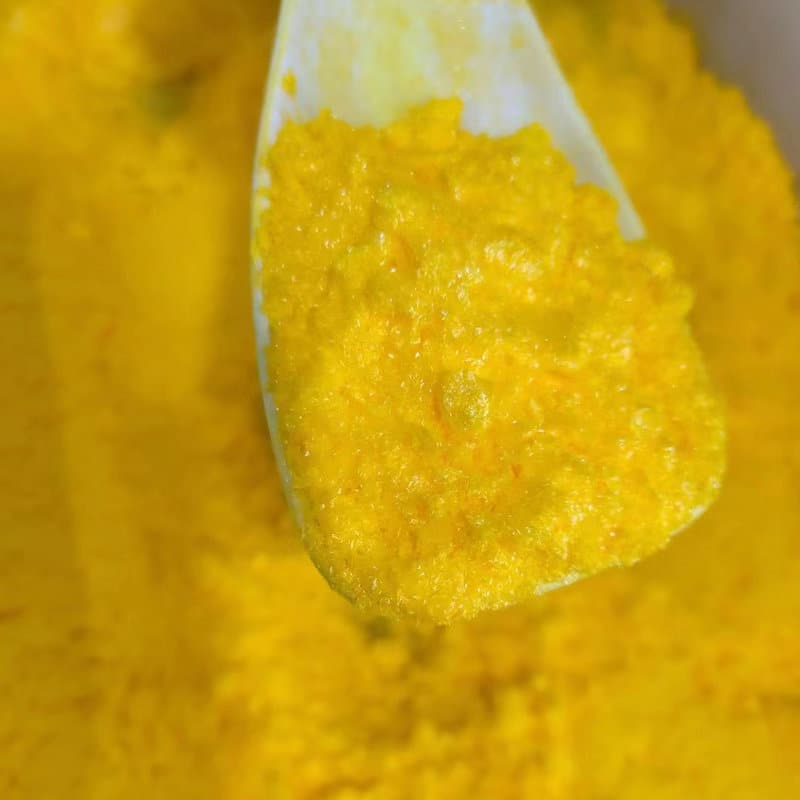
Retinol is a vitamin A derivative commonly used in cosmetic serums, moisturizers, and anti-aging skincare products. It belongs to the retinoid family, which includes retinol, retinal, retinoic acid, and various other vitamin A-related compounds.
After topical application, retinol can undergo enzymatic conversion to retinal and subsequently to retinoic acid. Retinoic acid interacts with nuclear receptors that regulate processes involved in skin cell differentiation and renewal.
Retinol Benefits for Skin
Fine lines: Regular use may improve the appearance of mild photoaging and fine wrinkles.
Skin texture: Retinol-containing products can help improve uneven-looking skin texture.
Uneven tone: Retinol may gradually reduce the appearance of certain types of pigmentation.
Clogged pores: Retinoid activity can support the management of blemish-prone skin, although retinol cosmetics should not be considered equivalent to approved acne medications.
Long-term skincare: Retinol is available in numerous formulations, allowing users to select products based on their tolerance and preferences.
Retinol is frequently recommended as an introductory cosmetic retinoid because lower-strength products are widely available. However, it can still cause irritation, particularly if applied too frequently or combined with other irritating skincare products.
What Is Retinal and How Does It Work on Skin?
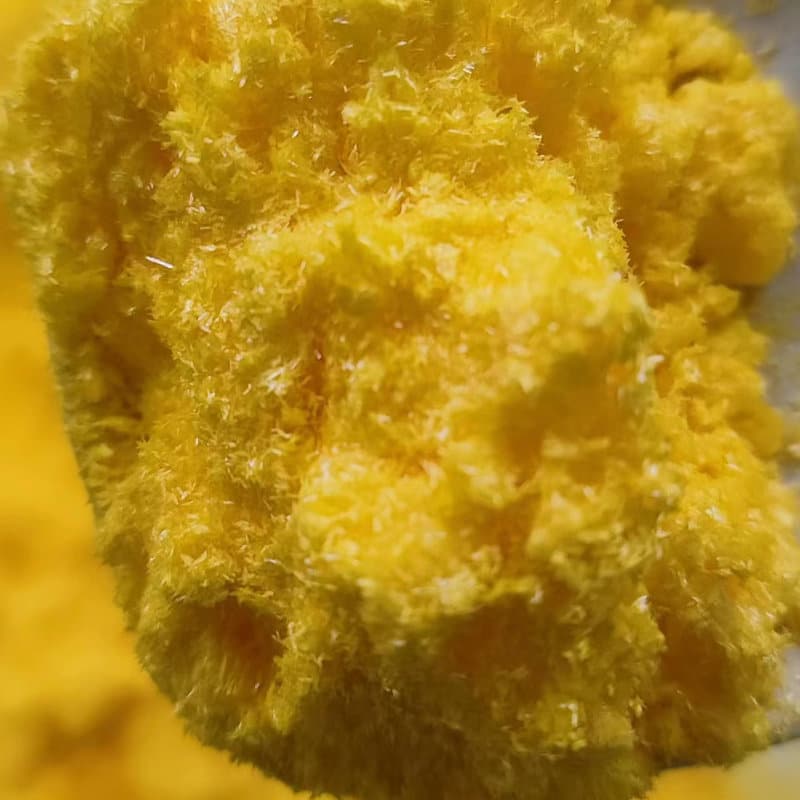
Retinal, also known as retinaldehyde, is another vitamin A derivative used in skincare formulations. Unlike retinol, retinal is already the aldehyde intermediate in the pathway that produces retinoic acid.
Because retinal requires one fewer conversion step, it is generally considered biologically closer to retinoic acid than retinol. This distinction helps explain why retinal is often promoted as a potent cosmetic retinoid.
Nevertheless, the number of conversion steps alone cannot reliably predict how quickly a finished skincare product will produce visible results.
Retinal Benefits for Skin
Visible skin aging: Clinical studies have found improvements in skin texture and signs of photoaging using retinaldehyde creams.
Fine lines: Retinal formulations have demonstrated improvements in wrinkles and skin roughness in controlled investigations.
Skin tone: Some studies have reported improvements in pigmentation-related measurements.
Skin appearance: Retinal can support a smoother-looking complexion when used consistently.
Tolerability: Clinical evidence indicates that retinal can be well tolerated, although irritation remains possible.
A 2018 randomized controlled trial involving 40 female volunteers evaluated creams containing 0.05% and 0.1% retinaldehyde over three months. Both groups showed improvements in skin texture and hydration. The 0.1% formulation also demonstrated a significant improvement in the study's melanin index measurement.
Source: Kwon et al., Journal of Cosmetic Dermatology, 2018.
Retinal vs Retinol: What Is the Main Difference?
The most important chemical distinction between retinal and retinol is their functional group and their position in the vitamin A metabolic pathway.
Retinol contains an alcohol functional group, while retinal contains an aldehyde functional group. Their chemical differences influence their behavior in cosmetic formulations and biological conversion.
How Retinol and Retinal Become Retinoic Acid
The simplified conversion sequence is:
Retinyl Esters ↔ Retinol ↔ Retinal → Retinoic Acid
This pathway shows that retinol is converted into retinal, which can then be oxidized into retinoic acid. In skin biology, the transformations are controlled by enzymes and influenced by local cellular conditions.
Retinal is therefore one metabolic step closer to retinoic acid than retinol. However, conversion efficiency is not identical across individuals or formulations.
Does This Make Retinal Better Than Retinol?
Not automatically. Retinal may provide advantages in some applications, but the performance of a skincare product also depends on its concentration, delivery system, stability, packaging, and supporting ingredients.
A well-designed retinol product may be more suitable for one individual than a poorly tolerated retinal formulation, even though retinal is theoretically closer to the biologically active compound.
Which Is Better for Wrinkles: Retinal or Retinol?
Both retinal and retinol are used to improve the appearance of fine lines and wrinkles caused by skin aging and sun exposure.
Retinoid activity can influence epidermal renewal and processes associated with collagen maintenance. These mechanisms make vitamin A derivatives important ingredients in photoaging skincare.
Evidence for Retinal
A randomized clinical study comparing 0.05% retinaldehyde cream with 0.05% retinoic acid cream evaluated facial photodamage. By week 18, both active treatment groups demonstrated statistically significant reductions in wrinkle and roughness measurements.
The retinaldehyde cream was also better tolerated than retinoic acid in that investigation.
Source: Creidi et al., Journal of the American Academy of Dermatology, 1998.
Evidence for Retinol
Retinol has also been studied for improvements in photoaged skin. Its effectiveness depends on the concentration, formulation, and duration of application.
Scientific reviews of topical retinoids describe evidence supporting the role of vitamin A derivatives in improving skin aging, while also identifying differences in clinical evidence between individual retinoids.
Source: Retinoids in the Treatment of Skin Aging: An Overview of Clinical Efficacy and Safety.
Verdict: Retinal is a reasonable choice for people seeking a potentially more active cosmetic retinoid, but there is insufficient evidence to claim that all retinal products reduce wrinkles faster or more effectively than all retinol products.
Retinal vs Retinol for Acne-Prone Skin
People with oily or acne-prone skin often wonder whether retinal or retinol can improve breakouts, clogged pores, and uneven texture.
Retinoids can affect skin cell differentiation and the processes involved in follicular plugging. This is one reason certain topical retinoid medications are established acne treatments.
However, the clinical evidence for prescription retinoids such as adapalene and tretinoin should not be directly transferred to cosmetic retinol or retinal products.
When Retinal May Be Considered
Retinal may appeal to people with acne-prone skin who also want to address uneven texture and signs of aging. Some laboratory research has investigated retinaldehyde's biological activity, but this does not establish that every retinal cosmetic can treat active acne.
When Retinol May Be Considered
Retinol may be a practical option for users who want gradual cosmetic improvements and prefer widely available skincare formulations.
For persistent inflammatory acne, painful nodules, or acne-related scarring, consultation with a dermatologist is more appropriate than relying on a cosmetic retinol or retinal serum alone.
Verdict: Neither ingredient should automatically be described as the superior medical acne treatment. People needing treatment for acne should consider evidence-based therapies recommended by a dermatologist.
Retinal vs Retinol for Dark Spots and Hyperpigmentation
Retinal and retinol may help improve the appearance of uneven pigmentation associated with photoaging. However, dark spots can have different causes, including sun exposure, post-inflammatory hyperpigmentation, and melasma.
These conditions may require different treatment approaches.
In the 2018 retinaldehyde study described earlier, the 0.1% retinal cream significantly improved the melanin index, whereas the 0.05% formula did not demonstrate the same statistically significant result.
This indicates that concentration and formulation can affect measured outcomes, but it does not establish that retinal is universally superior to retinol for hyperpigmentation.
Consistent sun protection is essential because ultraviolet exposure can worsen pigmentation and undermine skincare improvements.
Verdict: Both ingredients may be helpful for uneven-looking skin tone. The best choice depends on your pigmentation concern, skin sensitivity, and overall routine.
Is Retinal More Irritating Than Retinol?
A common assumption is that retinal must cause more irritation because it is closer to retinoic acid in the conversion pathway. Clinical findings suggest that the relationship is more complicated.
A published study examining the tolerance profiles of retinol, retinaldehyde, and retinoic acid found similarly low irritation potential for retinol and retinaldehyde under the tested conditions. Retinoic acid caused more pronounced irritation.
The researchers also observed differences in individual irritation symptoms. This demonstrates why it is inappropriate to claim that one ingredient is always gentler than the other.
Source: Fluhr et al., Dermatology, 1999.
Possible Side Effects of Both Ingredients
Temporary redness
Skin dryness
Peeling or flaking
Burning or stinging sensations
Increased irritation when combined with harsh skincare products
These side effects may be more noticeable during the initial adjustment period or when the skin barrier is already compromised.
If irritation is severe, persistent, or accompanied by swelling, stop using the product and seek professional guidance.
Retinal vs Retinol for Sensitive Skin: Which Should You Choose?
For sensitive skin, product tolerance is generally more important than selecting the ingredient with the highest theoretical activity.
A low-strength, fragrance-free retinol formula with moisturizing ingredients may be a suitable starting option. Nevertheless, retinal is not necessarily unsuitable for sensitive skin.
Clinical trials have reported good tolerability for certain retinal formulations, including creams containing 0.05% and 0.1% retinaldehyde.
Individuals with eczema, rosacea, significant redness, or damaged skin barriers should consult a dermatologist before introducing potentially irritating retinoids.
Tips to Minimize Irritation
Choose a lower-strength product when beginning.
Introduce only one retinoid product at a time.
Apply to completely dry skin unless product directions specify otherwise.
Use a gentle, fragrance-free moisturizer.
Avoid applying retinoids to broken or severely irritated skin.
Increase application frequency only when the skin tolerates it.
How to Choose Between Retinal and Retinol Based on Your Skin Type
| Skin Type or Concern | Suggested Approach | Reason |
|---|---|---|
| First-time retinoid user | Consider gentle retinol | Allows a gradual introduction |
| Experienced retinoid user | Consider retinal | Offers an alternative closer to retinoic acid |
| Dry skin | Choose a moisturizing formula of either ingredient | Vehicle and barrier support are important |
| Sensitive skin | Prioritize tolerability over ingredient strength | Either ingredient can cause irritation |
| Fine lines and photoaging | Either retinal or retinol | Both have supporting clinical evidence |
| Uneven pigmentation | Either ingredient with daily sun protection | Consistency and sunscreen are essential |
| Persistent inflammatory acne | Consult a dermatologist | Approved acne treatments have stronger disease-specific evidence |
There is no universal winner for every skin type. Choosing a formula you can use consistently without significant irritation is often more useful than selecting a product solely because its active ingredient appears stronger.
How to Use Retinal or Retinol in Your Skincare Routine
Introducing a retinoid gradually can help reduce irritation and improve the likelihood of continued use.
Step 1: Cleanse Your Skin Gently
Use a mild cleanser to remove sunscreen, makeup, and daily impurities. Avoid aggressive scrubbing or strong exfoliating cleansers.
Step 2: Allow Skin to Dry
After cleansing, allow the skin to dry before applying the retinoid, unless the manufacturer's instructions recommend another method.
Step 3: Apply a Small Amount
Follow the product's recommended amount. For many facial retinoid products, a pea-sized quantity is sufficient for the entire face.
Avoid the eyelids, corners of the nose, lips, and other highly sensitive areas unless the product is specifically formulated and labeled for those locations.
Step 4: Follow With Moisturizer
Apply a gentle moisturizer containing ingredients such as glycerin, ceramides, or hyaluronic acid to support hydration and barrier comfort.
Step 5: Start With Limited Frequency
Beginners may consider starting two nights per week, following product instructions and adjusting according to tolerance.
Increase frequency gradually rather than immediately attempting nightly application.
Step 6: Use Sunscreen Every Morning
Apply broad-spectrum sunscreen with SPF 30 or higher during the day. Sun protection is especially important when managing photoaging, uneven pigmentation, and potentially irritating skincare routines.
The American Academy of Dermatology recommends introducing retinoids gradually and combining their use with appropriate sun protection.
Source: American Academy of Dermatology: Retinoid or Retinol?.
Can You Use Retinal and Retinol Together?
Retinal and retinol are both members of the retinoid family, and combining them is usually unnecessary for an ordinary skincare routine.
Using two retinoid products together may increase irritation without providing a clearly established additional benefit.
Instead of layering them, it is generally more practical to choose one retinoid and assess how your skin responds over time.
Using retinal on one night and retinol on another is not automatically beneficial either. Unless advised by a dermatologist, a consistent routine built around one appropriate product is simpler.
Can You Use Retinal or Retinol With Vitamin C, Niacinamide, and Hyaluronic Acid?
Not all skincare combinations need to be avoided. The most important considerations are formulation compatibility and individual irritation.
Niacinamide
Niacinamide can be included in a skincare routine containing retinol or retinal. It is commonly used in products designed to support the skin barrier and improve overall skin appearance.
Hyaluronic Acid
Hyaluronic acid is a humectant that helps the skin retain moisture. It can be useful in routines where retinoids cause dryness.
Vitamin C
Vitamin C and retinoids can be used within the same overall skincare routine, but highly acidic vitamin C formulations may increase discomfort for some users when layered with retinoids.
Applying vitamin C in the morning and a retinoid at night is a straightforward option for people who experience irritation.
Exfoliating Acids
Combining retinoids with strong alpha hydroxy acids or beta hydroxy acids may increase dryness and irritation. Beginners should avoid introducing multiple strong active ingredients simultaneously.

How Long Does Retinal or Retinol Take to Improve Skin?
Visible improvements depend on the ingredient, concentration, formulation, skin condition, and regularity of use.
Some individuals may notice changes in skin texture after several weeks, while improvement in fine lines or pigmentation often requires continued use over several months.
Clinical studies evaluating retinaldehyde have reported improvements over treatment periods ranging from approximately eight weeks to several months.
However, these study durations should not be interpreted as guaranteed timelines for every commercial product.
Similarly, the claim that retinal always works ten or eleven times faster than retinol is not a universal clinical finding. A difference in biological conversion or activity does not directly translate into a fixed difference in the time required for visible results.
The most sustainable approach is to select a tolerable formulation, use it according to directions, and evaluate gradual changes over time.
Who Should Avoid Retinal and Retinol?
Retinoid skincare is not suitable for everyone.
Pregnancy: Retinoids, including cosmetic retinol and retinal, should be avoided during pregnancy. People planning pregnancy should discuss their skincare products with a healthcare professional.
Breastfeeding: Consult a qualified healthcare professional before using topical retinoids. The recommendations may depend on the product, application area, and individual circumstances.
Compromised skin: People with significant irritation, active eczema, or broken skin should avoid applying retinoids to affected areas until the condition has been appropriately managed.
Existing prescription retinoid use: If you already use tretinoin, adapalene, or another topical retinoid medication, consult your prescriber before adding cosmetic retinal or retinol.
Source: American Academy of Dermatology: Pregnancy Skin Care.
Frequently Asked Questions About Retinal vs Retinol for Skin
1. Is retinal better than retinol for skin?
Retinal is one conversion step closer to retinoic acid, but that does not make it universally better. Retinal may be attractive to experienced retinoid users, while a gentle retinol formula may be more appropriate for beginners. The finished formulation and individual tolerance are essential considerations.
2. Is retinal stronger than retinol?
Retinal is generally considered more biologically active because it requires fewer conversion steps to become retinoic acid. However, the relative strength of commercial products cannot be determined solely from their ingredient names.
3. Is retinal better than retinol for wrinkles?
Both ingredients have evidence supporting improvements in photoaged skin. Retinaldehyde has demonstrated improvements in wrinkle and skin roughness measurements in clinical studies, but there is insufficient evidence to guarantee that every retinal product outperforms every retinol product.
4. Which is better for sensitive skin, retinal or retinol?
Neither ingredient is automatically safer for sensitive skin. Clinical testing has found similarly low irritation potential under certain conditions. Lower-strength formulations, moisturizers, and gradual introduction may help improve tolerance.
5. Can retinal or retinol help with acne?
Both belong to the retinoid family, but their cosmetic use should be distinguished from approved medical acne treatments. Persistent or inflammatory acne should be assessed by a dermatologist.
6. Can I switch from retinol to retinal?
Yes, switching may be reasonable if your skin has tolerated retinol and you want to try a different cosmetic retinoid. Stop the previous product before introducing the new one and begin gradually instead of assuming your prior tolerance will be identical.
7. Should I use retinal and retinol every night?
Not necessarily. Beginners should start with a limited frequency and increase only as tolerated. Nightly use is not required for everyone, particularly people who experience dryness or irritation.
8. Is 0.1% retinal the same strength as 0.1% retinol?
No. The numerical concentrations represent the percentage of each ingredient in a formulation, not equivalent biological activity. They cannot be directly compared as if they were interchangeable substances.
9. Can I use retinal or retinol during the day?
Many retinoid products are intended for nighttime application. Follow the manufacturer's directions, and use broad-spectrum sunscreen during the day.
10. Which retinoid is best for beginners?
A gentle, low-strength retinol formulation is often a practical starting choice, although appropriately formulated low-strength retinal products may also be tolerated. Skin sensitivity and product instructions should guide the decision.
Final Verdict: Retinal or Retinol for Better Skin?
When comparing retinal vs retinol for skin, the most important point is that both ingredients can be valuable components of a well-designed skincare routine.
Choose retinol if you are new to cosmetic retinoids, prefer an introductory formula, or want to explore a wide selection of moisturizing skincare products.
Consider retinal if you already tolerate retinoid skincare and want to try a vitamin A derivative that is one metabolic step closer to retinoic acid.
For wrinkles, uneven pigmentation, and skin texture, there is scientific evidence supporting the use of both ingredients. For acne and other dermatological conditions, professionally recommended treatments may be more appropriate than cosmetic products alone.
Ultimately, the better ingredient is the one your skin tolerates, that is supported by an appropriate formulation, and that fits into a consistent skincare routine with daily sun protection.
Scientific References
Kwon HS, et al. Efficacy and safety of retinaldehyde 0.1% and 0.05% creams used to treat photoaged skin. Journal of Cosmetic Dermatology. 2018. PubMed.
Fluhr JW, et al. Tolerance profile of retinol, retinaldehyde and retinoic acid under maximized and long-term clinical conditions. Dermatology. 1999. PubMed.
Creidi P, et al. Profilometric evaluation of photodamage after topical retinaldehyde and retinoic acid treatment. Journal of the American Academy of Dermatology. 1998. PubMed.
Saurat JH, et al. Topical retinaldehyde on human skin: biologic effects and tolerance. Journal of Investigative Dermatology. 1994. PubMed.
Mukherjee S, et al. Retinoids in the treatment of skin aging: an overview of clinical efficacy and safety. Clinical Interventions in Aging. 2006. Full Text.
American Academy of Dermatology. Retinoid or Retinol? Dermatology Guidance.
Medical disclaimer: This article provides educational information about cosmetic skincare ingredients and is not a substitute for professional medical advice, diagnosis, or treatment.